
Human Resource Management in Bangladesh’s Garment Industry: From Administrative Duties to Strategic Transformation

For decades, Bangladesh’s garment industry has been a foundation of the country’s export earnings and economy. With a massive workforce, high production demands and the realities of global competition, the role of human resource management (HRM) is becoming more critical. Traditionally, the HR department has been viewed primarily as an administrative function like handling payroll, attendance, leave records, increments, recruitment and disciplinary matters. As a result, HR was largely seen as a support department, ensuring the smooth day-to-day operations of the organization.
However, today’s fast-changing global market, rapidly changing technology and strict labor standards demanded by most of the stakeholders have made this perception outdated. It is now time to establish HR as a full-fledged strategic unit, one that prepares organizations for the future.
The impact of strategic HR in Bangladesh’s garment industry can be multidimensional. HR must be positioned at the center of organization-wide policy and goal setting. When HR actively participates in production planning, industrial engineering, compliance and business decision-making, workforce data such as demand, skill gaps, turnover trends and absenteeism become directly linked to business strategy. This information enables timely decisions on line allocation, manpower budgeting, skill development and cost optimization for business success.
Moreover, worker engagement activities such as open discussions, feedback collection, line-based relationship building, small team meetings, mini-games, fun workshops and light competitions are highly effective in boosting morale and strengthening relationships. Such engagement not only enhances employee productivity but also reduces turnover, lowers labor unrest and create a positive work environment. When HR plans and executes these initiatives systematically, it directly contributes to business sustainability and strengthens the brand image.
Strategic HR can also build a future-ready workforce. As automation, digital sampling, green factories and ESG-based practices become very important. HR’s planned investment in skill matrix, KPI implementation, succession planning, supervisory leadership programs, training and long-term employee development significantly enhances an organization’s competitive advantage. Retaining skilled workers and minimizing turnover are equally important for maintaining a stable workforce without disrupting production.
Sustainability and compliance are no longer just ethical considerations, they are strategic imperatives for market survival. Global brands today are highly sensitive to human rights, work environment, women-friendly policies, working hours, safety and environmentally responsible practices. Strategic HR always work to standardize safety culture, employee welfare, ethical hiring, grievance resolution and transparent documentation within the organization. It also supports long-term change management, ensuring production remains stable during technological shifts, market disruptions, policy revisions or sudden labor shortages. In this way companies are prepared not only for today but also for the future.
We the HR professional of this industry believe that the true driver of progress in Bangladesh’s garment industry is no longer just technology or machinery, it is a skilled, disciplined and strategically managed workforce. When HR moves beyond administrative tasks to occupy the center of long-term organizational goals, productivity and competitiveness, the industry can truly transform into a sustainable, globally recognized sector.
ঢাকা বিভাগের আরো খবর

-

From Lead Auditor Training to Lead Auditor Recognition: Can We Claim to Be an Auditor or Lead Auditor After Successfully Completing an Auditor Course?
-

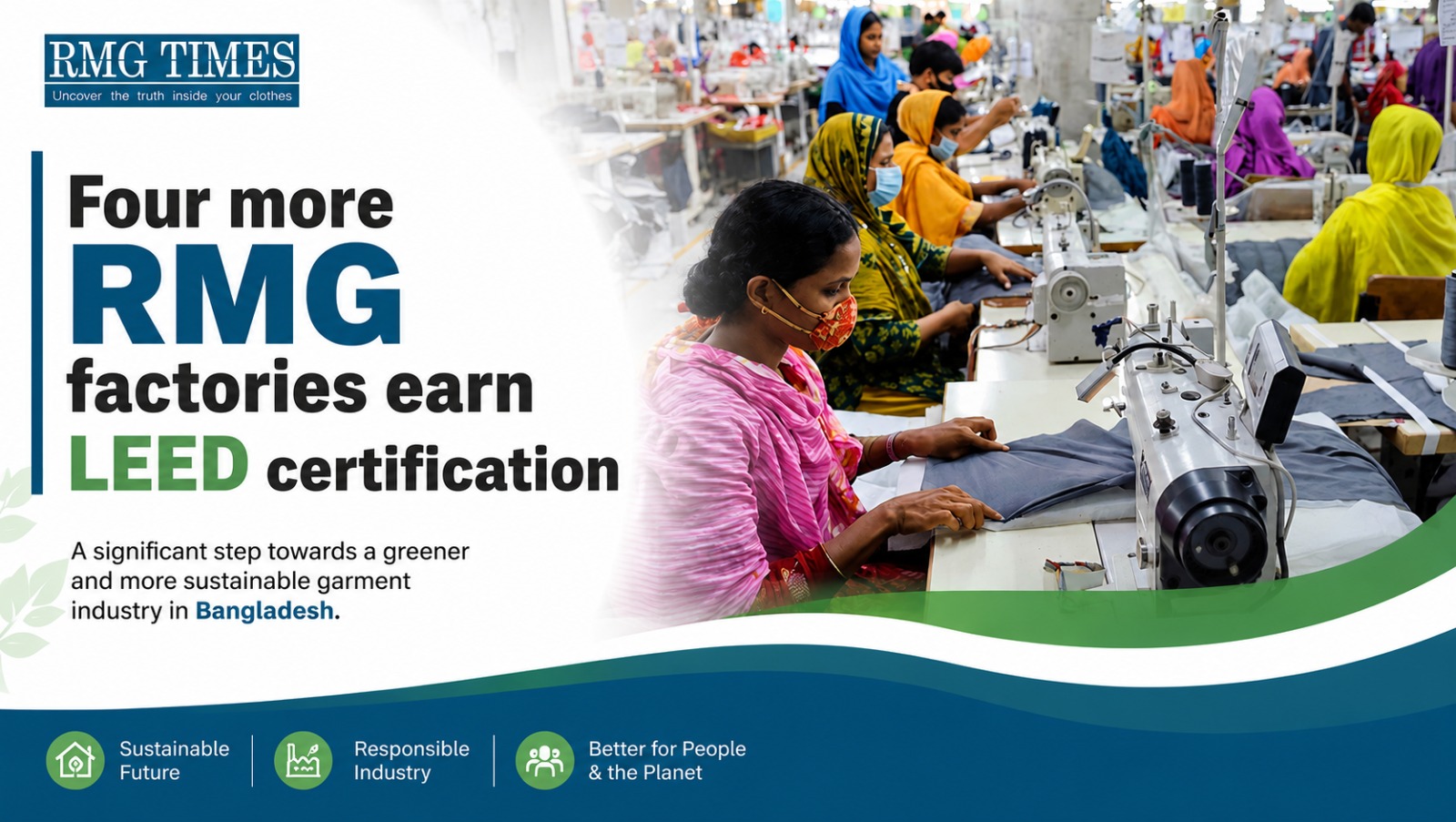
Four more RMG factories earn LEED certification
-
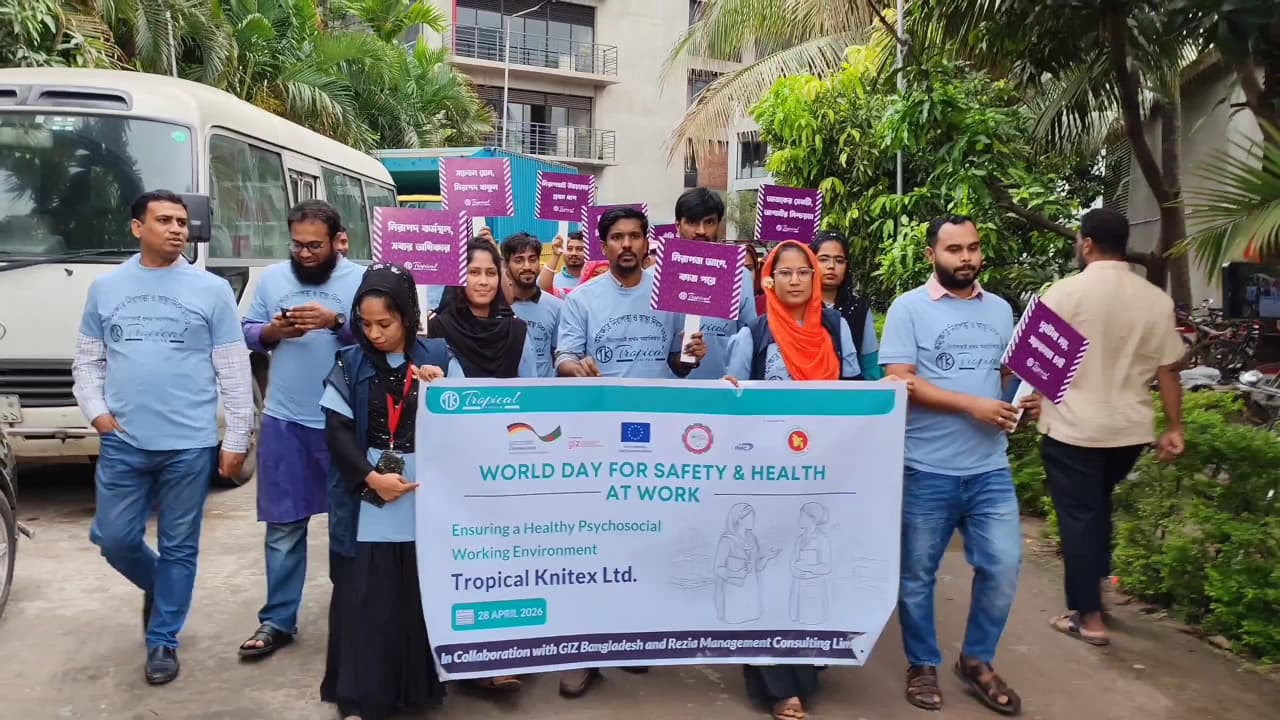
শ্রমিক নিরাপত্তা দিবস উপলক্ষে ট্রপিক্যাল নিটেক্স লিমিটেডে বর্ণাঢ্য আয়োজন
-

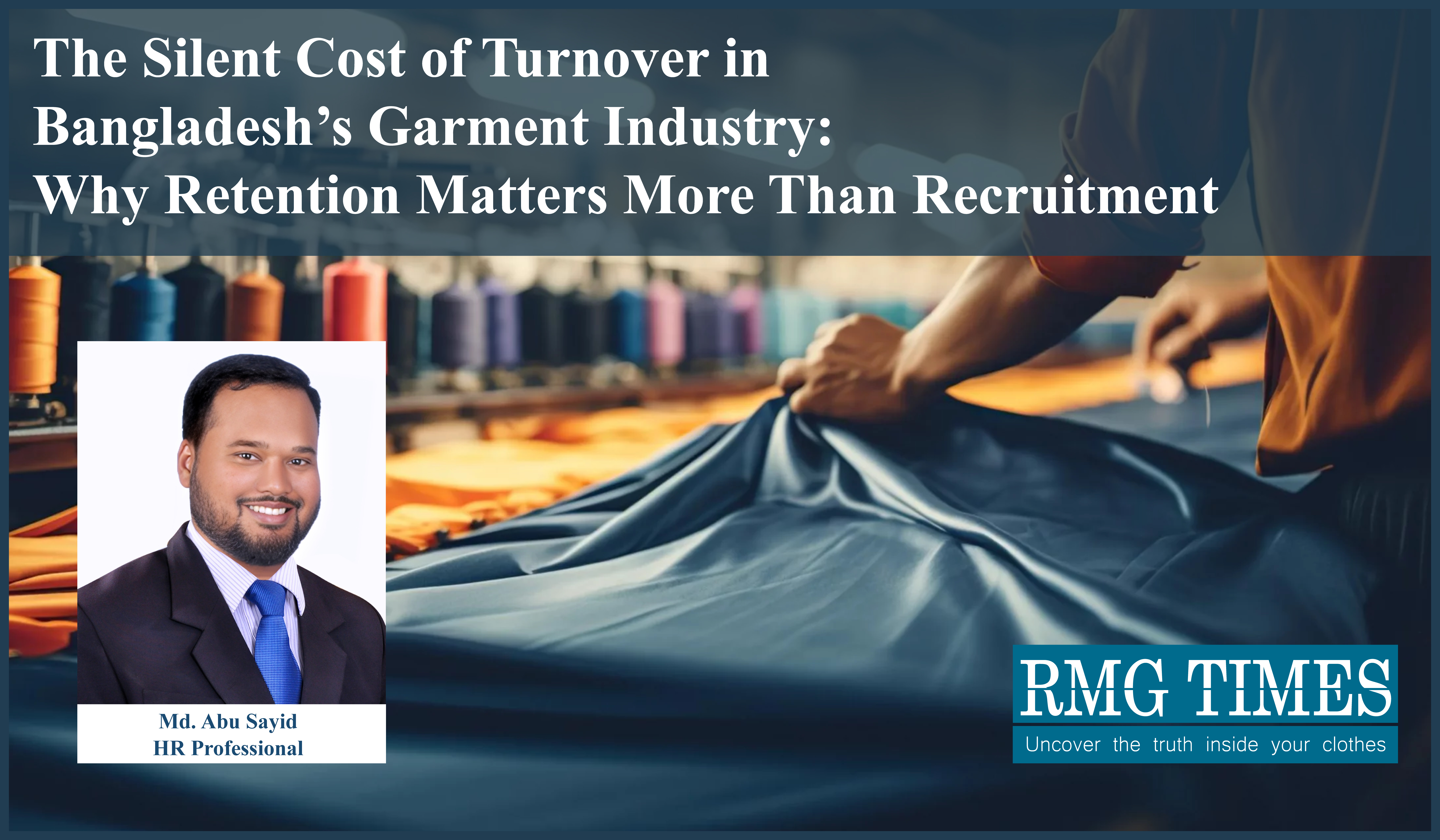
The Silent Cost of Turnover in Bangladesh’s Garment Industry: Why Retention Matters More Than Recruitment
-

পোশাক শিল্পে স্থিতিশীল কর্মসংস্থান ব্যবস্থা: টেকসই উন্নয়নের অপরিহার্য ভিত্তি
-

শুল্কের দেয়াল ভাঙার সুযোগ: মার্কিন বাজারে বাংলাদেশের বড় পরীক্ষা
-

Honoring Excellence: Texstream Fashion Ltd. Rewards Best Workers–2026
-

Control Union Bangladesh Hosts Country’s First-Ever Carbon-Neutral Sustainability Conference
-

বিডিআরএমজিপি এফএনএফ ফাউন্ডেশনের ৫ম প্রতিষ্ঠাদিবস উদযাপন
-

Human Resource Management in Bangladesh’s Garment Industry: From Administrative Duties to Strategic Transformation
-

স্বাস্থ্য সচেতনতা বাড়াতে মাধবপুরে মহানগর পাবলিক স্কুলে আরকে নিট ডাইং মিলসের স্বাস্থ্যবিধি ও প্রাথমিক চিকিৎসা প্রশিক্ষণ
-

Fakir Fashion and Epyllion Represent Bangladesh at UN SDG Forum 2025 in Bangkok, Thailand
-

Texstream Fashion Ltd. Successfully Completes 2-Month Quality System Training Program
-
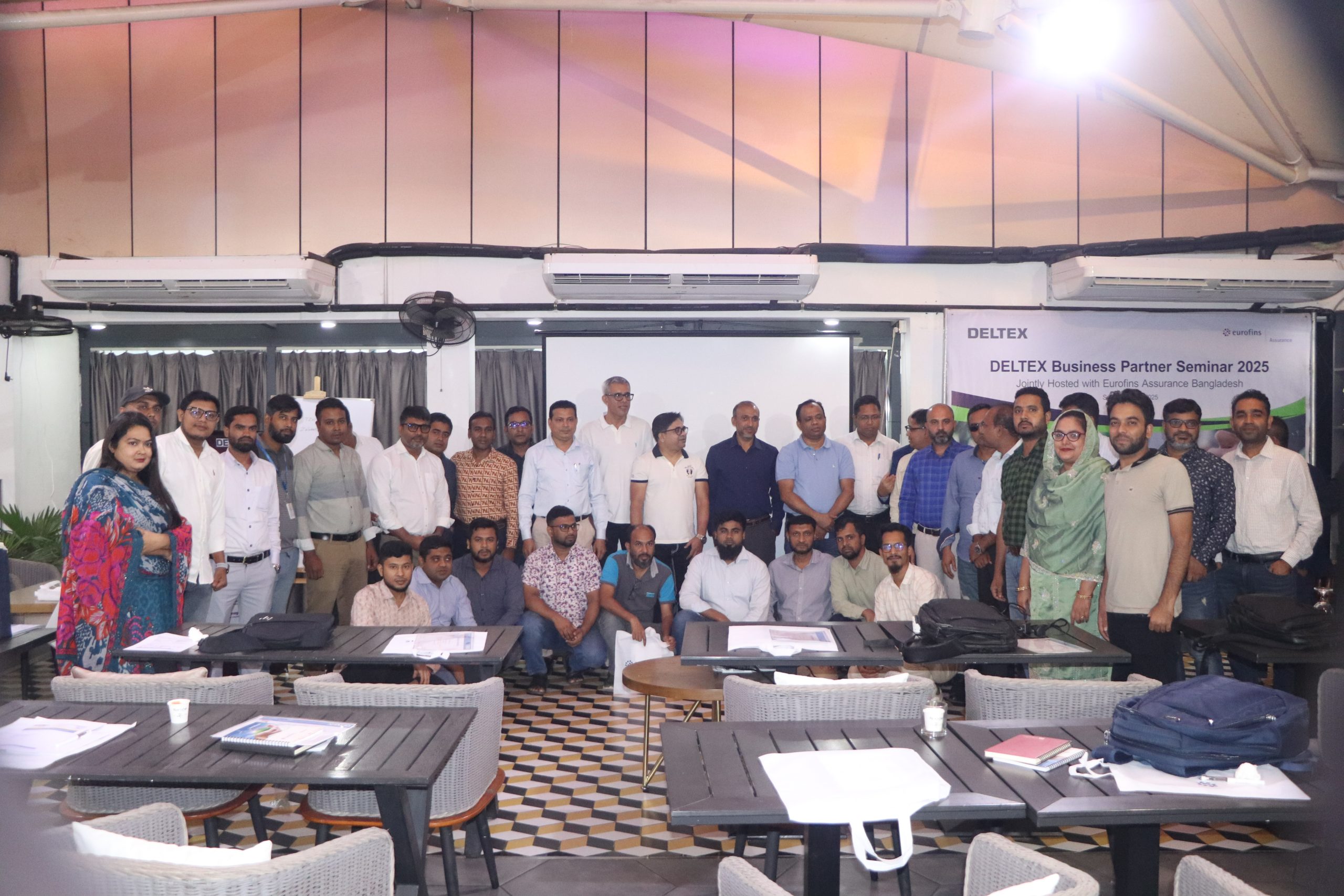
Deltex Ltd. Bangladesh and Eurofins Assurance Co-Host Business Partner Seminar 2025
-
Powering the Future of RMG: Fakir Fashion Limited Leads with Battery Energy Storage Systems







মতামত লিখুন :