
‘Bangladeshi RMG sector is the safest’-Accord ED
Desk Report: The Executive Director of Accord on Fire and Building Safety in Bangladesh Mr. Rob Wayss said, “I think right now, of the developing countries with a ready-made garment sector, Bangladesh is the safest”. He made such remark while giving a statement to the Guardian.
It was the Rana Plaza collapse back in 2013 which gave birth to both Accord and Alliance and in which about 250 international brands, buyers and companies signed. Both were designed to improve safety dramatically in 2,300 factories supplying western brands. Both are to complete their terms this year.
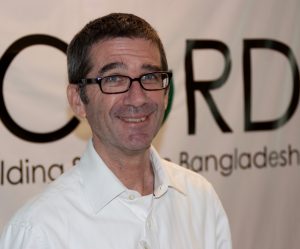
As of now, facing the threat of being cut off by western buyers, thousands of factory owners have invested in fire doors, sprinkler systems, electrical upgrades and stronger foundations, eliminating more than 97,000 identified safety hazards in facilities covered by the Accord alone.
Ensuring safe factories stay that way will be the next challenge. Both the Alliance and Accord are trying to work with Bangladesh in some capacity after their terms expire.
As per the Guardian, “The government is not ready at this time to take over and regulate factories at a satisfactory level,” added Wayss.
But recently, a plan for the Accord to monitor factories until 2021 has been temporarily halted by the Bangladesh high court. A similar scheme by the Alliance is still the subject of fraught negotiations.
Inevitably, the onus for safety in Bangladesh’s garment factories will soon return to the government. Whether it is able, or willing, to enforce the new standards will decide the real legacy of Rana Plaza.
RMG Times in English বিভাগের আরো খবর
-

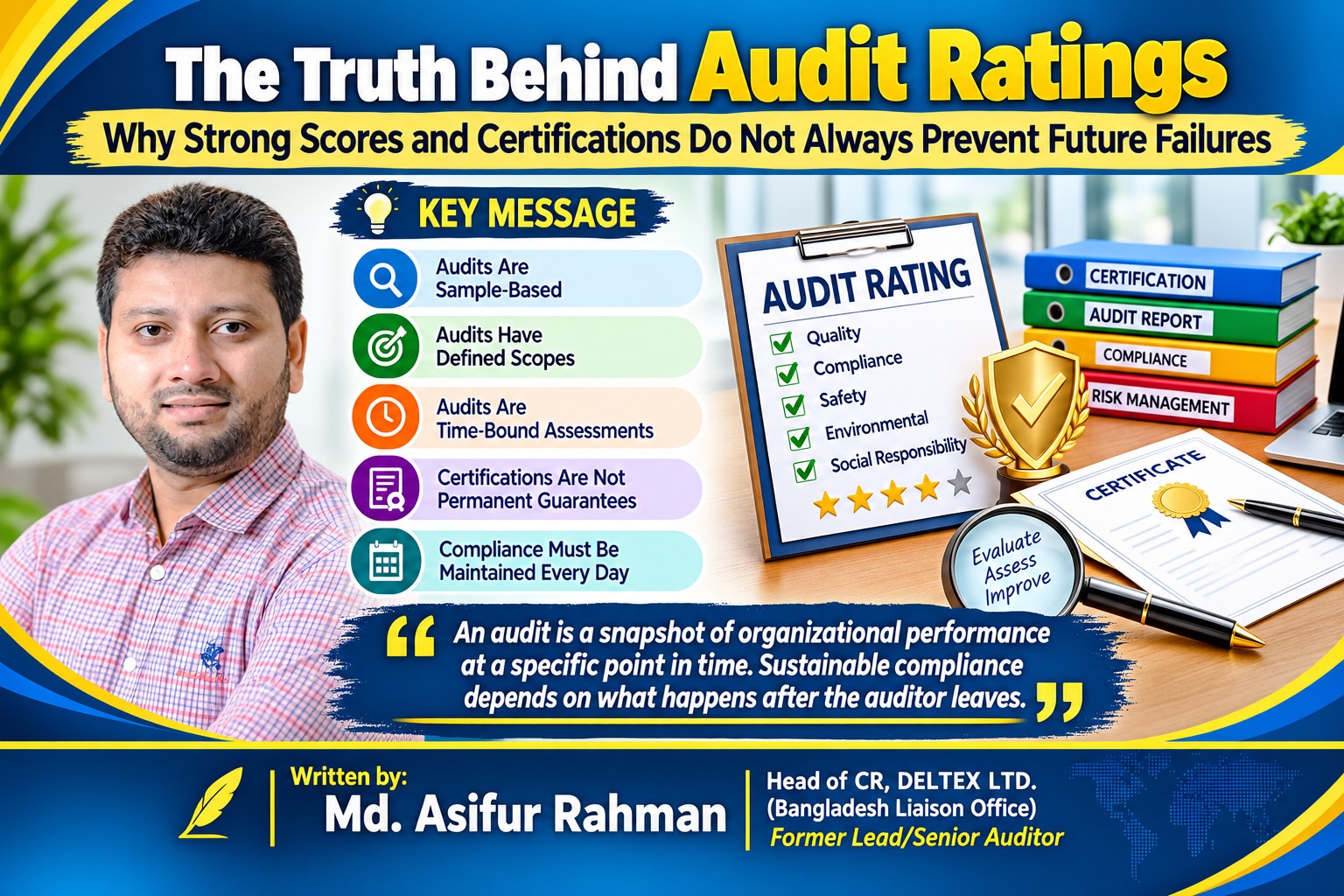
The Truth Behind Audit Ratings: Why Strong Scores and Certifications Do Not Always Prevent Future Failures
-

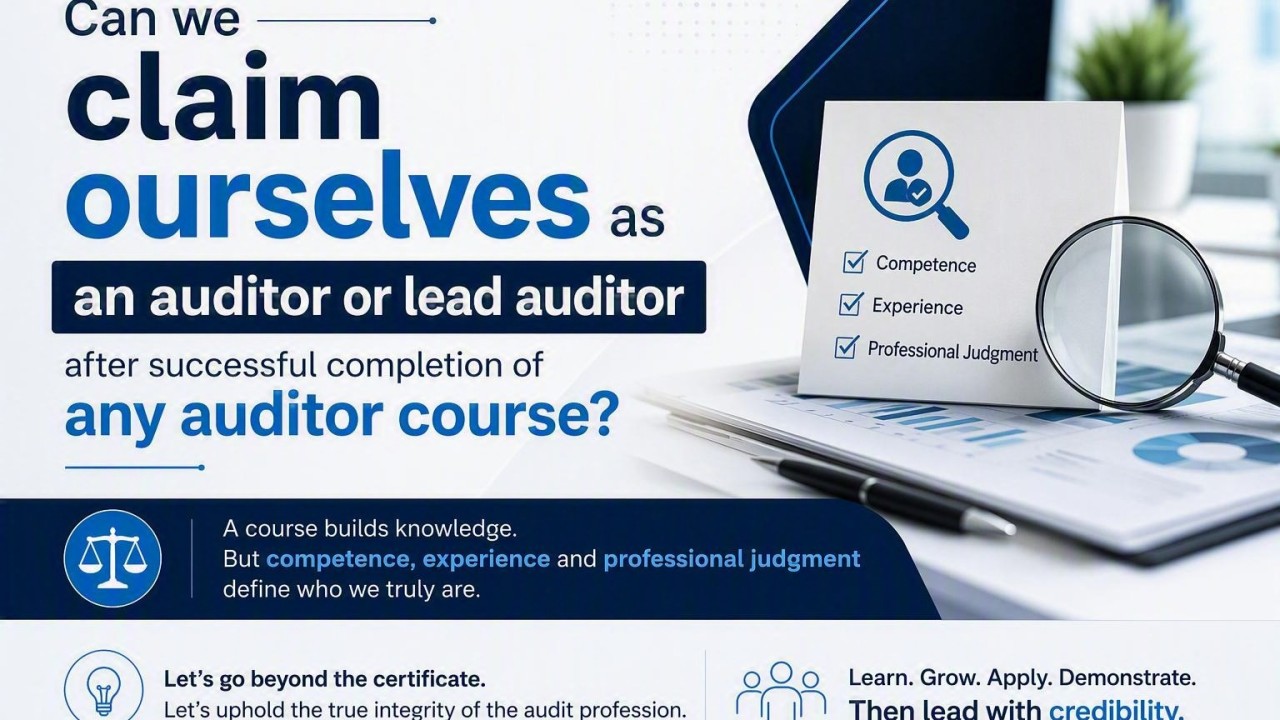
From Lead Auditor Training to Lead Auditor Recognition: Can We Claim to Be an Auditor or Lead Auditor After Successfully Completing an Auditor Course?
-

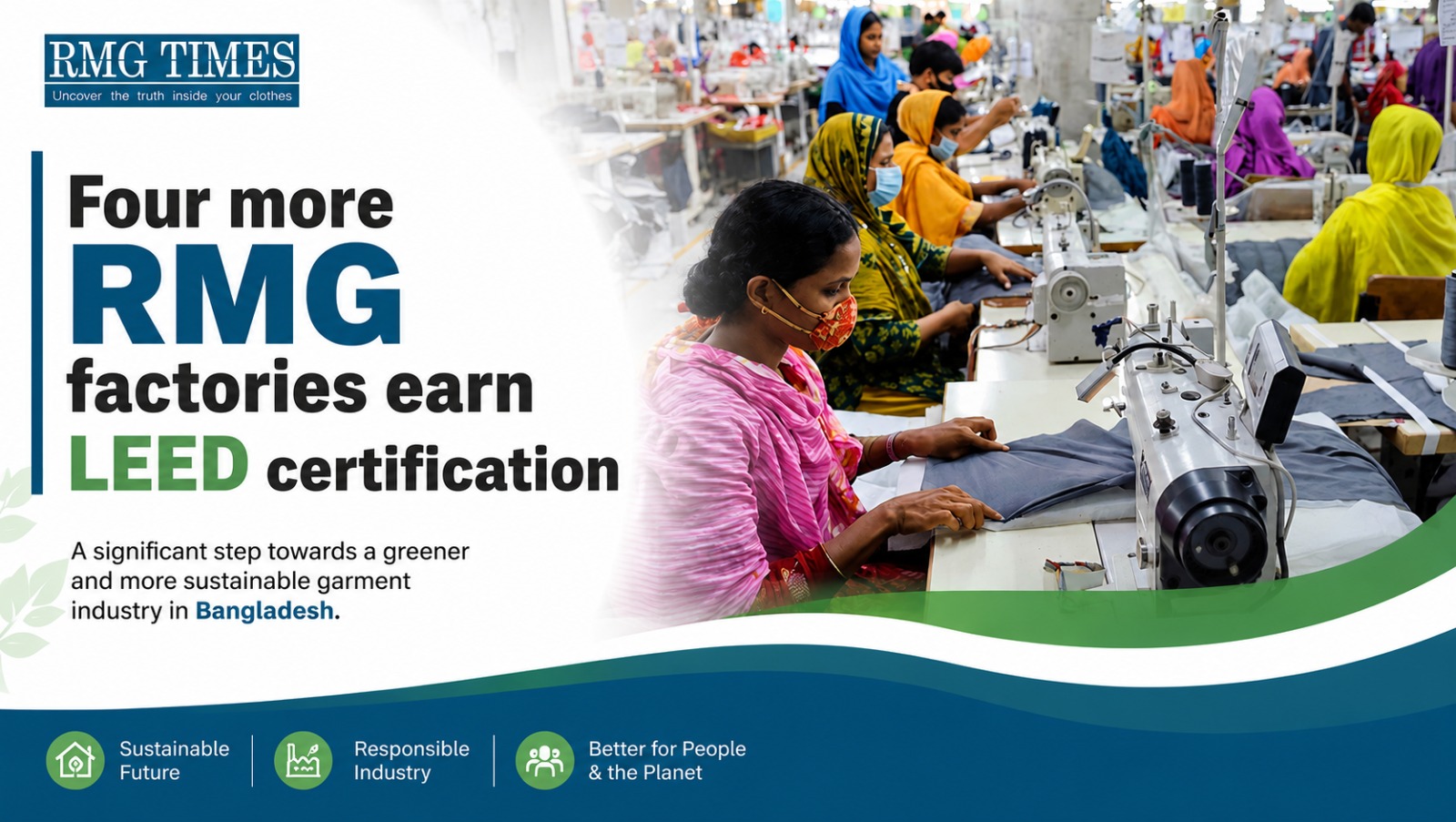
Four more RMG factories earn LEED certification
-
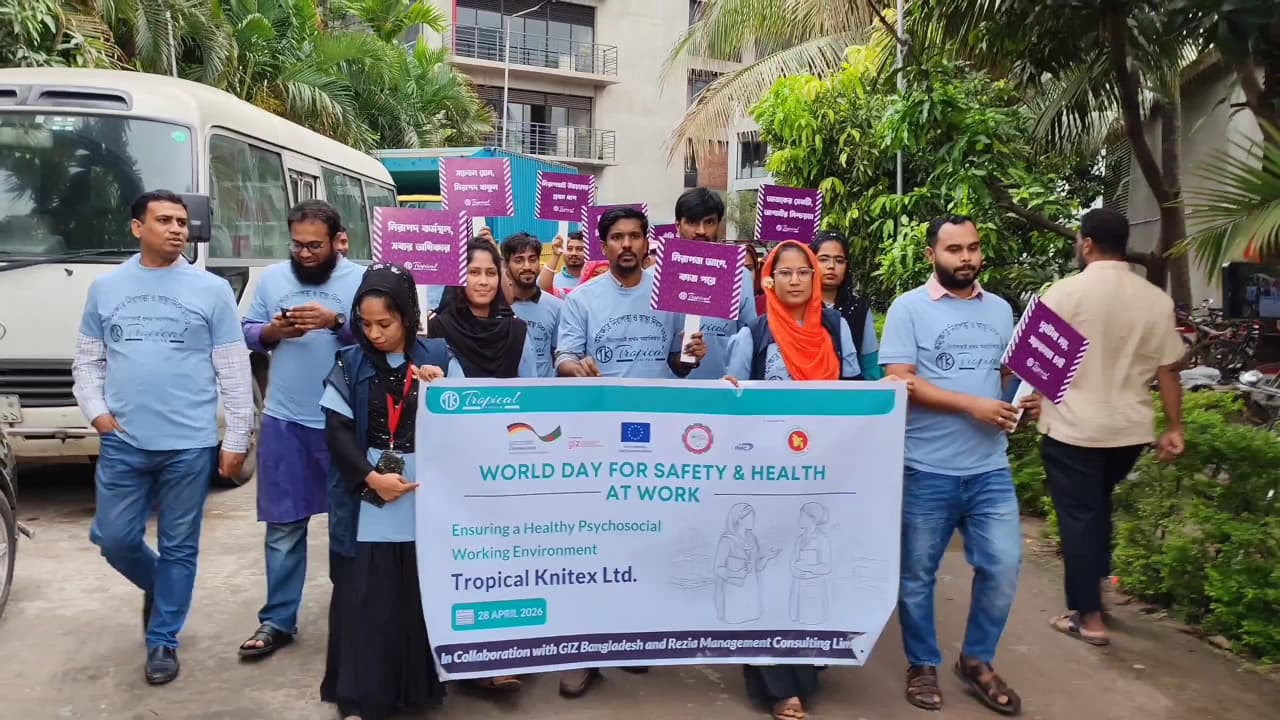
শ্রমিক নিরাপত্তা দিবস উপলক্ষে ট্রপিক্যাল নিটেক্স লিমিটেডে বর্ণাঢ্য আয়োজন
-

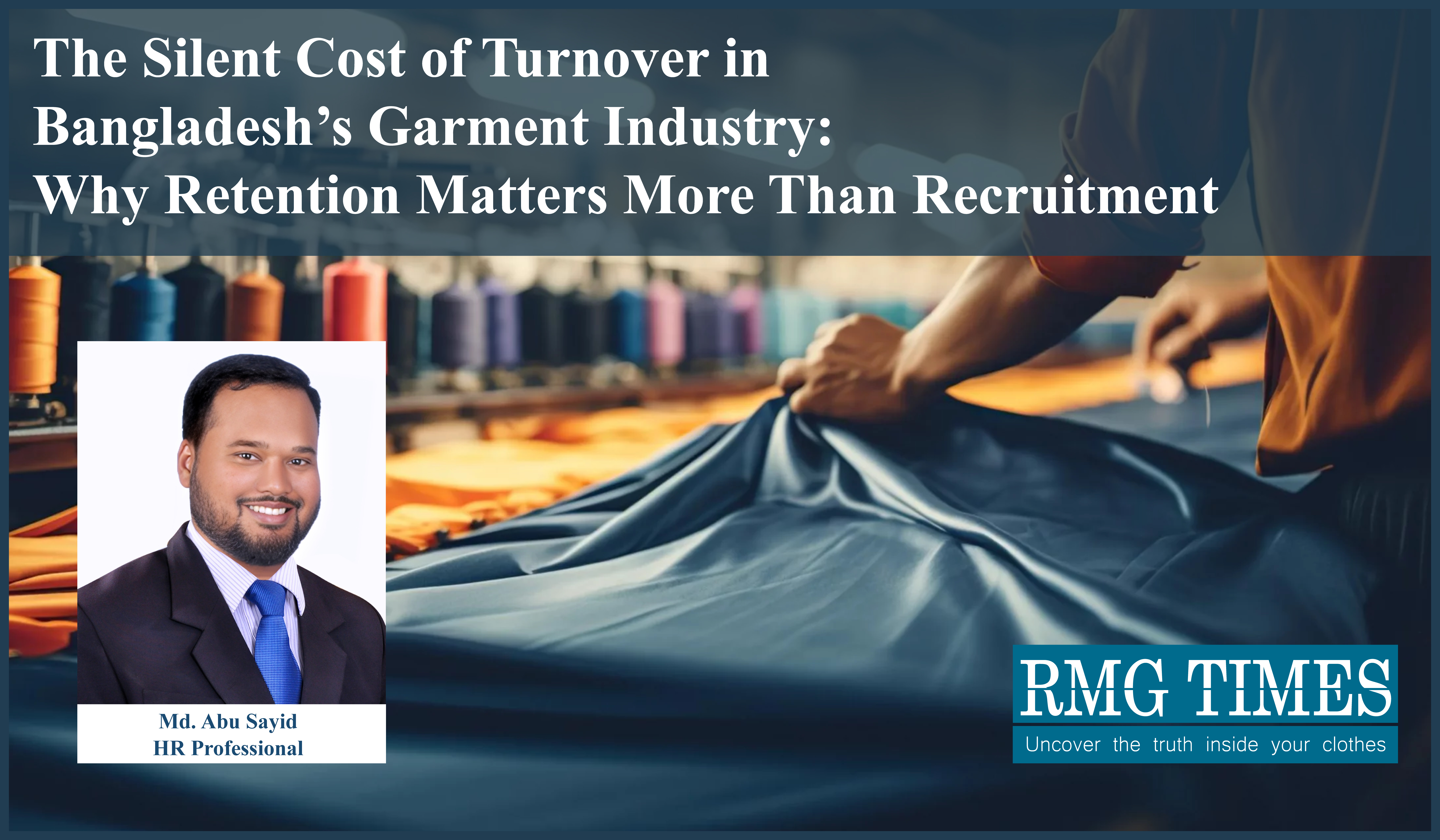
The Silent Cost of Turnover in Bangladesh’s Garment Industry: Why Retention Matters More Than Recruitment
-

পোশাক শিল্পে স্থিতিশীল কর্মসংস্থান ব্যবস্থা: টেকসই উন্নয়নের অপরিহার্য ভিত্তি
-

শুল্কের দেয়াল ভাঙার সুযোগ: মার্কিন বাজারে বাংলাদেশের বড় পরীক্ষা
-

Honoring Excellence: Texstream Fashion Ltd. Rewards Best Workers–2026
-

Control Union Bangladesh Hosts Country’s First-Ever Carbon-Neutral Sustainability Conference
-

বিডিআরএমজিপি এফএনএফ ফাউন্ডেশনের ৫ম প্রতিষ্ঠাদিবস উদযাপন
-

Human Resource Management in Bangladesh’s Garment Industry: From Administrative Duties to Strategic Transformation
-

স্বাস্থ্য সচেতনতা বাড়াতে মাধবপুরে মহানগর পাবলিক স্কুলে আরকে নিট ডাইং মিলসের স্বাস্থ্যবিধি ও প্রাথমিক চিকিৎসা প্রশিক্ষণ
-

Fakir Fashion and Epyllion Represent Bangladesh at UN SDG Forum 2025 in Bangkok, Thailand
-

Texstream Fashion Ltd. Successfully Completes 2-Month Quality System Training Program
-
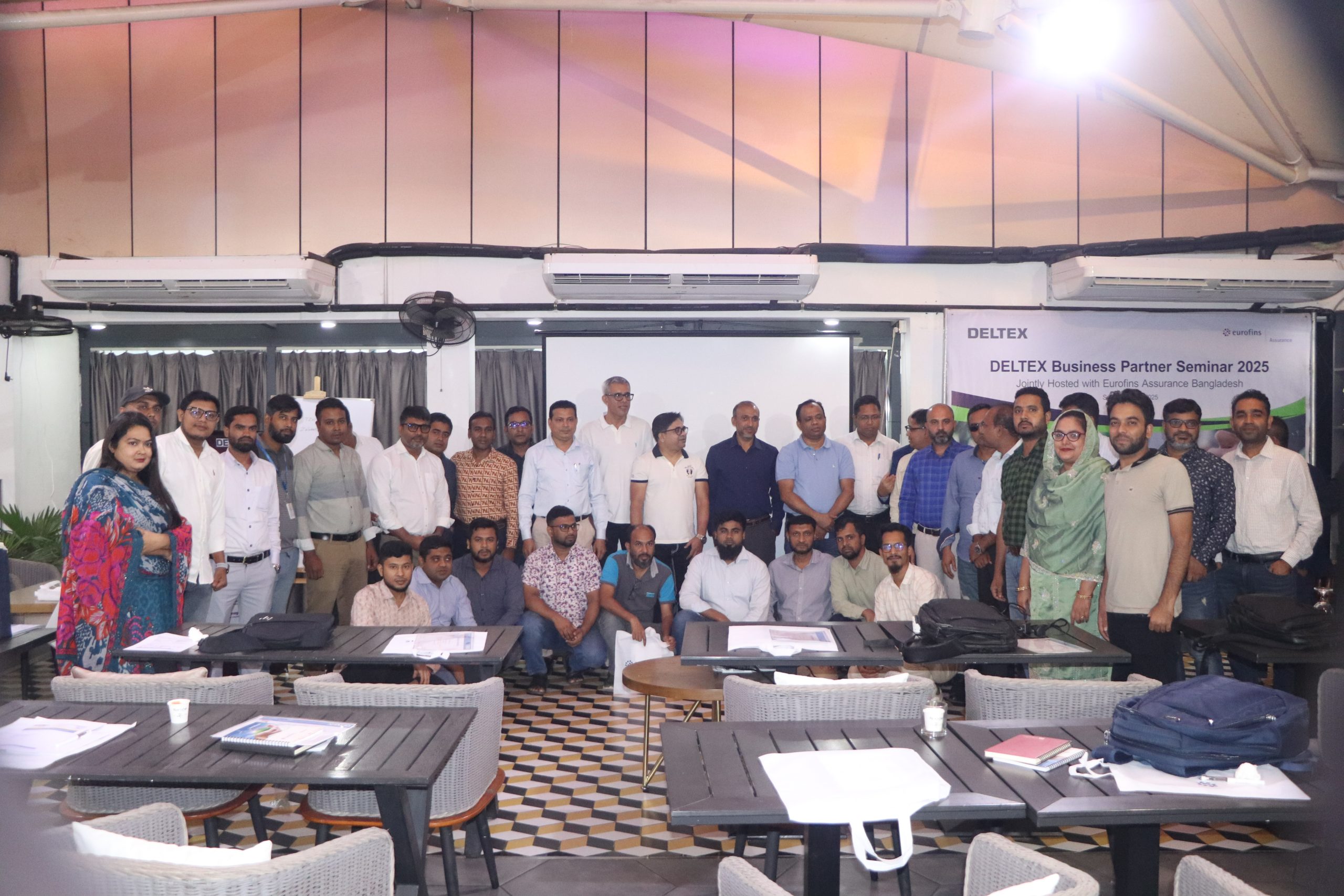
Deltex Ltd. Bangladesh and Eurofins Assurance Co-Host Business Partner Seminar 2025







মতামত লিখুন :