
The Silent Cost of Turnover in Bangladesh’s Garment Industry: Why Retention Matters More Than Recruitment
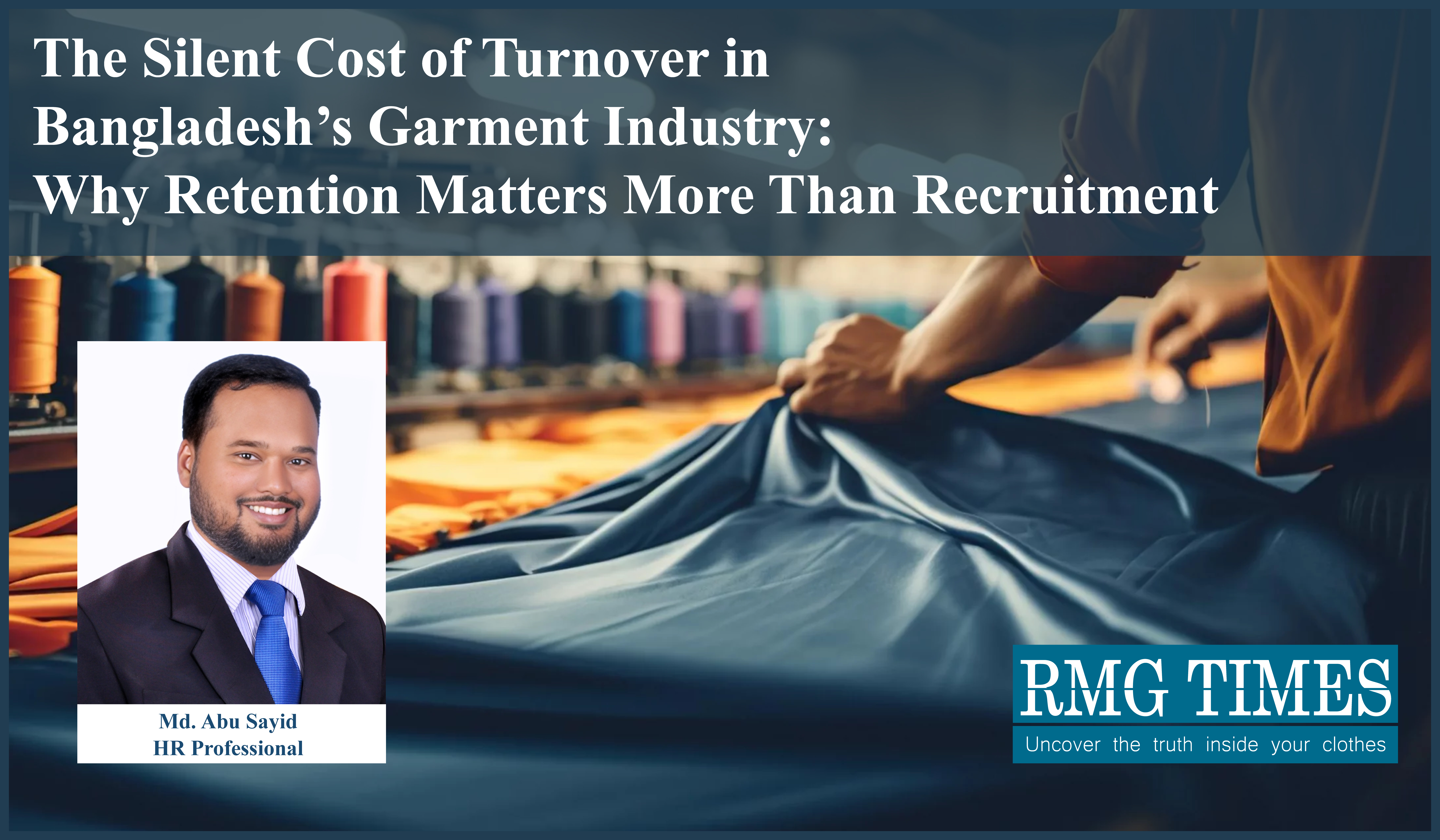
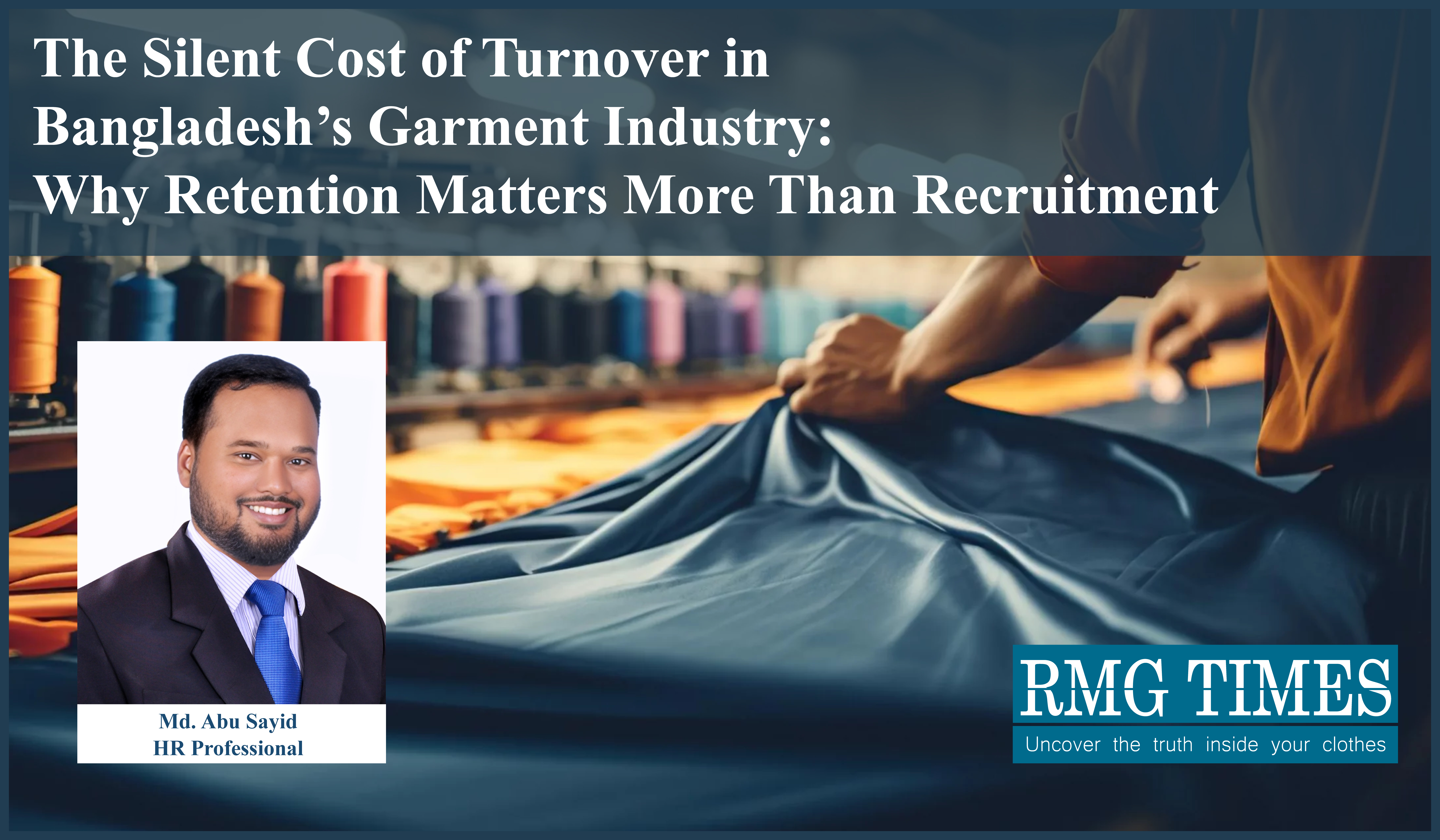
Bangladesh’s garment industry continues to grow as one of the largest exporters in the global apparel market. Factories invest heavily in machinery, compliance and buyer relationships. However, one critical issue often remains underestimated, which is the hidden cost of employee turnover.
Every time a worker leaves, the impact goes far beyond just filling a vacant position. Recruitment, onboarding and training require time and resources. More importantly, newly hired workers take time to reach the efficiency level of experienced operators. This gap directly affects production targets, quality consistency and delivery timelines.
In many factories, the focus remains on continuous hiring rather than long-term retention. While recruitment solves immediate manpower shortages, it does not address the root causes of workforce instability. High turnover leads to frequent line disruptions, increased supervision pressure and reduced overall productivity.
One of the key reasons behind turnover is the lack of structured career growth. Employee often feel that their roles are repetitive with limited opportunities for advancement. When employees do not see a future within the organization, they are more likely to switch jobs even for small financial differences. HR can play a vital role here by introducing clear career pathways, skill-based promotions and transparent evaluation systems.
Workplace environment is another important factor. In high-pressure production settings, even small issues, such as communication gaps, lack of recognition or unfair treatment can influence an employee’s decision to leave. Building a respectful and supportive culture at the floor level is essential. Supervisors and line managers must be trained not only in production management but also in people management.
Compensation is often considered the primary driver of retention, but it is not the only factor. Timely salary payments, attendance incentives, performance bonuses and non-financial recognition can significantly influence employee satisfaction. Simple gestures like appreciation, team acknowledgment or celebrating small achievements can create a sense of belonging among workers. Fun activities, small interactive games and team bonding initiatives create such strong connections among workers that, before deciding to leave, they pause and think—“Can I really walk away from these people?”
Another overlooked area is employee voice. Workers need platforms where they can express concerns, provide feedback and feel heard without fear. Regular floor meetings, suggestion systems and grievance handling mechanisms can build trust between management and employees. When issues are addressed early, the likelihood of sudden resignations decreases.
Retention also contributes directly to product quality. Experienced workers understand production standards, machine handling and quality requirements better than new recruits. A stable workforce ensures consistency, reduces errors and strengthens buyer confidence.
From a strategic perspective, reducing turnover is more cost-effective than continuous recruitment. Investing in employee well-being, training and engagement may seem like an additional expense, but in reality, it protects the organization from larger operational losses.
As the garment industry moves toward automation and higher value-added products, retaining skilled workers will become even more critical. Factories that prioritize employee stability will have a stronger competitive advantage in the global market.
The future of Bangladesh’s garment sector depends not only on how many workers it employs, but on how well it retains, develops and values them. Shifting the focus from replacement to retention is no longer optional, it is essential for sustainable growth.
ঢাকা বিভাগের আরো খবর


-

From Lead Auditor Training to Lead Auditor Recognition: Can We Claim to Be an Auditor or Lead Auditor After Successfully Completing an Auditor Course?
-

Four more RMG factories earn LEED certification
-
শ্রমিক নিরাপত্তা দিবস উপলক্ষে ট্রপিক্যাল নিটেক্স লিমিটেডে বর্ণাঢ্য আয়োজন
-

The Silent Cost of Turnover in Bangladesh’s Garment Industry: Why Retention Matters More Than Recruitment
-

পোশাক শিল্পে স্থিতিশীল কর্মসংস্থান ব্যবস্থা: টেকসই উন্নয়নের অপরিহার্য ভিত্তি
-

শুল্কের দেয়াল ভাঙার সুযোগ: মার্কিন বাজারে বাংলাদেশের বড় পরীক্ষা
-

Honoring Excellence: Texstream Fashion Ltd. Rewards Best Workers–2026
-

Control Union Bangladesh Hosts Country’s First-Ever Carbon-Neutral Sustainability Conference
-

বিডিআরএমজিপি এফএনএফ ফাউন্ডেশনের ৫ম প্রতিষ্ঠাদিবস উদযাপন
-

Human Resource Management in Bangladesh’s Garment Industry: From Administrative Duties to Strategic Transformation
-

স্বাস্থ্য সচেতনতা বাড়াতে মাধবপুরে মহানগর পাবলিক স্কুলে আরকে নিট ডাইং মিলসের স্বাস্থ্যবিধি ও প্রাথমিক চিকিৎসা প্রশিক্ষণ
-

Fakir Fashion and Epyllion Represent Bangladesh at UN SDG Forum 2025 in Bangkok, Thailand
-

Texstream Fashion Ltd. Successfully Completes 2-Month Quality System Training Program
-
Deltex Ltd. Bangladesh and Eurofins Assurance Co-Host Business Partner Seminar 2025
-
Powering the Future of RMG: Fakir Fashion Limited Leads with Battery Energy Storage Systems







মতামত লিখুন :